
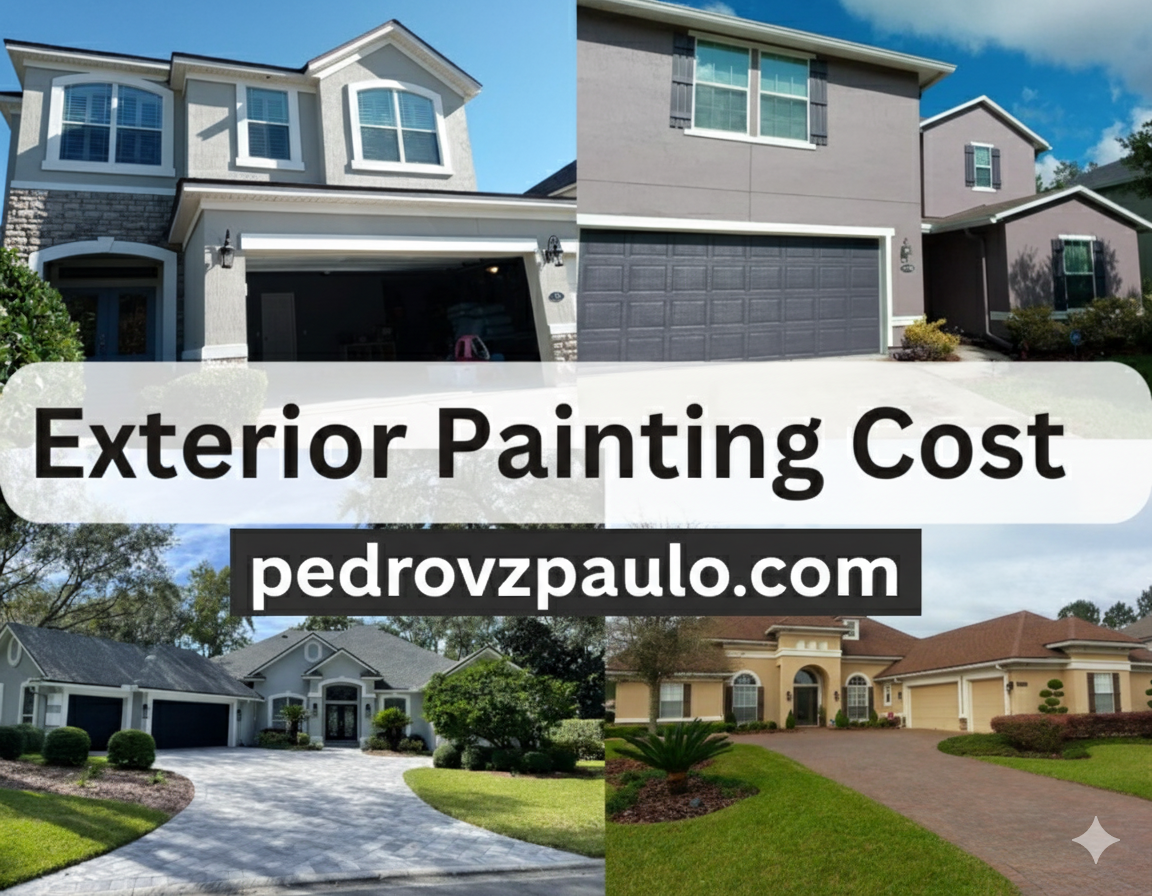
The average exterior paint cost ranges from $1,500 to $4,000 for a typical 2,000 sq. ft. home, including labor and materials. Factors like paint quality, surface preparation, home size, and local labor rates influence the final price. Choosing premium paints or specialized finishes can raise costs but enhances durability and curb appeal.
Introduction
Understanding exterior paint cost is essential for homeowners planning to refresh their property’s look. Costs vary depending on the size of the house, paint type, surface preparation, and labor charges. Beyond price, quality and longevity matter, as exterior paint shields your home against weather damage and UV exposure. This guide explores detailed breakdowns, expert insights on exterior paint cost, and in-depth analysis of current trends, helping you budget efficiently while achieving a professional finish that lasts. Whether you aim for a classic aesthetic or bold modern look, knowing the factors affecting exterior paint cost ensures informed decisions and long-term value for your investment.
Factors Affecting Exterior Paint Cost
Several elements impact the cost of exterior painting. Home size, surface condition, and paint type are primary considerations. Labor rates vary geographically and influence overall expenses. Premium paints with higher durability usually cost more but reduce maintenance over time. Weather conditions, accessibility, and additional services like power washing or minor repairs also affect pricing. Understanding these variables allows homeowners to match exterior paint cost details to their budget and quality expectations, avoiding unforeseen expenses. Expert painters often provide transparent breakdowns, helping clients plan effectively.
Average Cost for Different Home Sizes
Home size is a major determinant of exterior paint cost. Small homes (under 1,500 sq. ft.) typically cost $1,000–$2,000, while medium homes (1,500–2,500 sq. ft.) range $1,500–$3,500. Large homes exceeding 2,500 sq. ft. can cost $3,000–$6,000 or more. Costs include labor, materials, and additional prep work. Premium finishes, multiple colors, or intricate designs increase the price further. Comparing quotes from multiple contractors helps homeowners find competitive rates while ensuring quality. This in-depth analysis highlights exterior paint cost trends and performance highlights across different property sizes.
Paint Type and Quality
The choice of paint significantly affects exterior paint cost. Latex paints are affordable, durable, and fade-resistant, making them a popular choice. Acrylic and elastomeric paints offer premium protection against weather and cracks but come at higher prices. High-quality paints last longer, reducing long-term maintenance costs. Understanding detailed breakdown and comparison of paint types ensures homeowners invest wisely. Expert advice often recommends selecting paints suited to local climate and surface material for optimal performance and value.
Surface Preparation and Repairs
Proper surface preparation is crucial for paint longevity. Cleaning, sanding, patching cracks, and priming directly affect labor costs. Neglecting prep work can lead to early peeling or fading, increasing maintenance expenses. Contractors include these tasks in quotes, influencing exterior paint cost significantly. Paying attention to expert insights on exterior paint cost helps homeowners avoid cheap shortcuts and ensures smooth, durable finishes that enhance overall aesthetics.
Labor Costs and Regional Variations
Labor constitutes a large portion of exterior painting expenses. Hourly rates vary by region, experience, and demand. Urban areas typically have higher labor costs compared to rural regions. Skilled painters ensure proper surface treatment, even coating, and clean finishing. Comparing multiple quotes gives a clear picture of what the fair exterior paint cost is in your area. Transparent pricing and reputation of contractors are crucial for maximizing value.
Additional Costs to Consider
Beyond paint and labor, homeowners should account for extra expenses. These include scaffolding, power washing, minor carpentry, and color consultations. Specialty finishes like textured coatings or multi-color designs increase the overall bill. Understanding the exterior paint cost performance highlights ensures you don’t underestimate the budget. Comprehensive planning reduces surprises and guarantees satisfaction with the final result.
DIY vs. Professional Painting
Opting for DIY painting can save on labor but may compromise quality. Professional painters ensure uniform coverage, proper surface preparation, and longer-lasting finishes. DIY projects require time, effort, and equipment, which may not justify the savings for larger homes. Evaluating the detailed breakdown and comparison of DIY vs. professional painting costs helps homeowners make cost-effective choices without sacrificing aesthetics.
Seasonal Trends in Exterior Painting
Paint prices and labor availability fluctuate seasonally. Spring and summer see higher demand, increasing costs, while off-season projects may benefit from discounts. Weather impacts drying times and adhesion quality. Planning projects around exterior paint cost trends ensures optimal results and potential savings. Contractors often provide seasonal insights to help homeowners schedule painting efficiently.
Choosing the Right Finish
Finish type affects both aesthetics and maintenance. Satin, semi-gloss, or matte finishes influence exterior paint cost slightly but significantly impact visual appeal and dirt resistance. Specialty finishes, like textured or waterproof coatings, add to costs but enhance performance. Considering expert insights on exterior paint cost helps homeowners select finishes that balance budget, durability, and style.
Environmental and Safety Considerations
Low-VOC or eco-friendly paints are increasingly popular, though slightly costlier. They reduce environmental impact and improve indoor air quality. Safety measures during application, such as ladders or scaffolding, also contribute to overall expenses. Choosing environmentally conscious options aligns with current exterior paint cost trends and provides long-term health benefits.
Paint Warranty and Lifespan
High-quality exterior paints often come with warranties of 5–15 years. Longer-lasting paints reduce repaint frequency and maintenance costs. Understanding warranty coverage is essential when comparing detailed breakdown and comparison of paint options. Expert recommendations often highlight paints with proven performance records for durability against sun, rain, and temperature fluctuations.
Color Selection Impact
Color choice may slightly influence cost. Darker or custom colors sometimes require multiple coats or specialized primers. Color impacts aesthetic appeal, heat absorption, and long-term fading. Homeowners should factor in exterior paint cost match details to achieve desired results without overspending. Professional painters provide guidance on color longevity and application techniques.
How to Get Accurate Quotes
Accurate estimates require in-person assessment. Contractors consider home size, surface condition, prep work, and paint type. Requesting multiple quotes ensures competitive pricing. Expert insights on exterior paint cost emphasize transparency and detailed breakdowns, helping homeowners budget precisely and avoid hidden fees.
Maximizing Value and Longevity
Investing in quality paint, proper prep, and professional application increases longevity and visual appeal. Regular maintenance and inspections prevent early deterioration. Understanding exterior paint cost performance highlights and trends allows homeowners to make informed decisions, ensuring the best return on investment for both protection and curb appeal.
FAQs
1. What is the average cost to paint a house exterior?
Average costs range between $1,500–$4,000 depending on size, paint quality, and labor.
2. Does paint quality affect exterior painting costs?
Yes, premium paints are more expensive but last longer and reduce maintenance needs.
3. How much does surface preparation add to costs?
Surface prep can add 20–30% to total costs, especially if repairs are needed.
4. Is DIY painting cheaper than hiring professionals?
DIY can save labor costs but may compromise finish quality and longevity.
5. When is the best time to paint an exterior home?
Spring and summer are ideal due to stable weather, but off-season may offer discounts.
6. Do low-VOC paints increase exterior paint cost?
Slightly, but they are eco-friendly and provide health and environmental benefits.
7. How often should exterior paint be refreshed?
Typically every 5–10 years, depending on paint type, climate, and maintenance.
For more info :pedrovzpaulo.com