
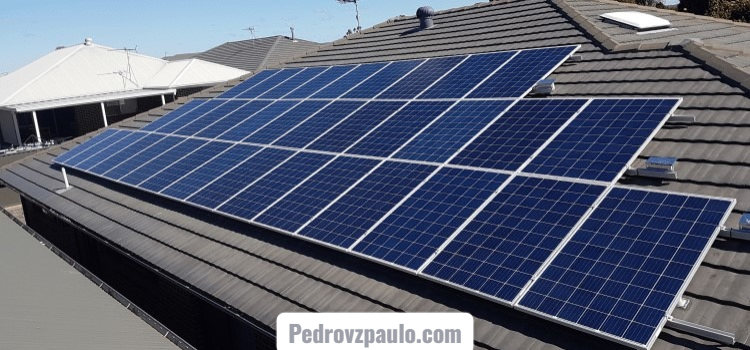
A 6.6 kW solar system typically produces between 26–32 kWh per day under optimal conditions, depending on sunlight hours, panel efficiency, and geographic location. Over a month, this equates to roughly 780–960 kWh, enough to power an average household comfortably. Proper installation, orientation, and maintenance significantly influence the system’s performance. Understanding these factors helps homeowners maximize efficiency. Daily energy output can vary seasonally. Location and panel type affect the total. Realistic expectations ensure cost savings.
Introduction
Understanding how much power a 6.6 kW solar system produces is essential for homeowners and businesses. This system size is ideal for medium-to-large households or small commercial setups. It balances cost, efficiency, and energy needs effectively. Modern solar panels reach efficiencies of 20–22%, which ensures consistent energy production. Seasonal changes, shading, and orientation affect actual output. In this article, we provide expert insights on 6.6 kW solar system trends. Readers will find a detailed performance breakdown. This helps in planning and investment decisions.
How Solar Power Output Is Calculated
A solar system’s energy output depends on panel wattage, sunlight exposure, and system efficiency. A 6.6 kW system’s theoretical maximum is 6,600 watts per hour under peak sun. Real-world factors such as shading, inverter efficiency, and temperature reduce production. Experts use a performance ratio to estimate actual output. Typically, daily production ranges from 70–80% of rated capacity. Accurate calculations are critical for energy planning. Maintenance and panel orientation also influence output. This ensures users can estimate monthly and yearly energy effectively.
Average Daily and Monthly Energy Production
A 6.6 kW system produces approximately 26–32 kWh per day, assuming 4–5 peak sunlight hours. Monthly production typically ranges from 780–960 kWh, depending on location. Seasonal variations can increase or reduce output by 10–15%. Summer months deliver higher energy, while winter months slightly reduce production. Understanding daily and monthly averages helps households manage consumption. System efficiency and inverter quality influence actual results. Monitoring energy trends optimizes usage. These insights are critical for planning cost savings and energy independence.
Geographic Influence on Solar Output
Location is a major factor in determining solar energy production. Areas near the equator receive higher sunlight, resulting in better daily output. Regions with frequent cloud cover or rain may see lower performance. Solar systems in Australia or California typically reach near-optimal production. Assessing sunlight availability ensures maximum return on investment. Expert insights on 6.6 kW solar system performance highlight regional differences. Proper location analysis avoids underperformance. It also helps in selecting suitable panel types. Geography impacts both cost-effectiveness and energy yield over time.
Panel Efficiency and Technology
Panel efficiency determines how much energy a system can generate per square meter. Modern panels range from 17% to 22% efficiency. Monocrystalline panels are preferred for higher durability and better performance. Polycrystalline panels are less efficient but more cost-effective. Higher efficiency panels allow a 6.6 kW system to produce more energy in limited space. Technology choice impacts long-term output and maintenance. Regular cleaning ensures optimal performance. Efficient panels reduce payback time. Selecting the right technology maximizes daily and yearly energy production.
System Orientation and Tilt Impact
Optimal system orientation can improve energy output by 10–15%. In the northern hemisphere, south-facing roofs are ideal; in the southern hemisphere, north-facing works best. The tilt angle should roughly match the location’s latitude for maximum sunlight capture. Shading from trees or buildings reduces output. Proper layout ensures peak energy generation throughout the year. In-depth analysis of 6.6 kW solar system trends shows that orientation is critical for efficiency. Monitoring sunlight angles optimizes panel performance. Installation planning ensures long-term energy reliability and savings.
Inverter Role in Power Conversion
Inverters convert DC power from panels into AC power for household use. The quality and size of the inverter directly affect system efficiency. For a 6.6 kW system, high-quality inverters minimize energy loss. Some inverters include monitoring features to track performance in real-time. Efficient inverters ensure steady energy supply and prevent overloads. Expert insights on system performance show that inverter selection influences return on investment. Inverters also enhance system longevity. Proper matching of inverter and panels maximizes energy production.
Seasonal and Weather Variations
Weather conditions impact solar energy production daily and seasonally. Cloudy, rainy, or snowy days reduce sunlight, lowering output. Conversely, sunny days maximize energy generation. Seasonal trends influence both monthly and annual production totals. Solar monitoring helps households adjust energy use accordingly. Systems installed with battery storage can store excess energy during sunny periods. Understanding seasonal variations ensures efficient energy planning. Detailed breakdown and comparison highlights potential seasonal gaps. This enables homeowners to optimize system performance year-round.
Expected Annual Energy Production
A 6.6 kW solar system produces approximately 9,500–11,500 kWh per year. This output covers most medium-to-large household energy needs. Annual monitoring helps identify efficiency losses from dust or panel degradation. Solar systems gradually lose about 0.5% efficiency per year. Maintenance ensures consistent production over decades. Understanding yearly trends helps calculate savings and ROI. Expert insights on 6.6 kW solar system performance guide realistic expectations. Accurate projections improve energy planning. Proper management guarantees long-term reliability.
Financial Benefits of a 6.6 kW Solar System
Investing in a 6.6 kW solar system can significantly reduce electricity bills. Average households save $1,200–$1,800 per year, depending on energy use and incentives. The system often pays for itself in 5–7 years. Feed-in tariffs and government rebates can improve ROI. Efficient system sizing ensures maximum savings. Proper installation reduces maintenance costs. Over 25 years, households can save tens of thousands in energy costs. In-depth analysis of trends shows that solar investment is financially smart. This makes solar energy a cost-effective solution for medium-to-large homes.
Environmental Impact
A 6.6 kW solar system reduces carbon emissions by 7–9 tons annually. This is equivalent to planting hundreds of trees. Using solar energy decreases reliance on fossil fuels. Households contribute to sustainable energy adoption. Expert insights on 6.6 kW solar system trends highlight environmental benefits. Reduced carbon footprint also aligns with climate goals. Renewable energy adoption is a socially responsible decision. Solar energy improves energy security and reduces environmental harm. Understanding ecological impact encourages wider solar adoption.
Maintenance and Longevity
Maintenance for a 6.6 kW solar system is minimal but critical. Regular cleaning and inspection prevent dust buildup or damage. High-quality panels can last 25–30 years with minor efficiency loss. Inverters and wiring may require occasional servicing. Monitoring ensures consistent production over the system’s lifespan. Proper care reduces unexpected repair costs. Expert insights on system performance show maintenance improves ROI. Long-term reliability depends on proactive upkeep. Maintenance plans extend system life and energy output.
Monitoring and Performance Tracking
Modern solar systems provide monitoring tools for real-time energy tracking. Homeowners can check daily, monthly, and yearly output. Monitoring helps detect underperforming panels and optimize settings. In-depth analysis of 6.6 kW solar system trends shows tracking improves efficiency. Data-driven insights allow early detection of potential issues. Performance metrics help maximize savings and energy reliability. Efficient monitoring ensures the system operates at peak capacity. Regular tracking enhances decision-making for energy usage.
Comparison With Other System Sizes
A 6.6 kW system sits between small residential and large commercial setups. It produces almost double the output of a 3 kW system. Compared to 10 kW commercial systems, it is cost-effective for households. Detailed breakdown and comparison highlights energy efficiency per square meter. System size selection depends on household energy needs. Properly sized systems prevent overspending. Homeowners benefit from optimized production and savings. Expert insights guide system choice for maximum return.
Key Considerations Before Installation
Before installing a 6.6 kW system, evaluate roof space, orientation, local incentives, and household consumption. Site assessments by professionals optimize layout and performance. Seasonal sunlight variations, panel type, and inverter selection affect energy production. Proper planning ensures that the system meets energy goals. Expert insights on 6.6 kW solar system performance highlight installation efficiency. Accurate estimates prevent underperformance. Maintenance and monitoring plans improve ROI. Proper pre-installation planning guarantees energy reliability.
Quick Bio Table
| Category | Information |
| Full Name | 6.6 kW Solar System |
| Installation Year | Varies (depending on homeowner) |
| Capacity | 6.6 kW |
| Average Daily Output | 26–32 kWh |
| Average Annual Output | 9,500–11,500 kWh |
| Suitable For | Medium-to-large households |
| Key Highlight | Balanced cost, efficiency, and energy coverage |
FAQs
1. Can a 6.6 kW solar system power a large household?
Yes, it can cover most energy needs depending on consumption patterns and sunlight availability.
2. How much roof space is needed?
Typically, 40–50 m² of unobstructed roof space is required for optimal installation.
3. Does weather affect solar production?
Cloudy or rainy days reduce output, while sunny days maximize energy production.
4. How long does installation take?
Installation generally takes 2–5 days, depending on roof complexity and system size.
5. What is the lifespan of a 6.6 kW solar system?
High-quality systems last 25–30 years with minimal efficiency loss if properly maintained.
6. Are there government incentives available?
Many regions offer tax rebates, feed-in tariffs, or grants to reduce upfront costs.
7. Can the system work during power outages?
Only if paired with battery storage; grid-tied systems shut down during outages for safety.
For more info :pedrovzpaulo.com